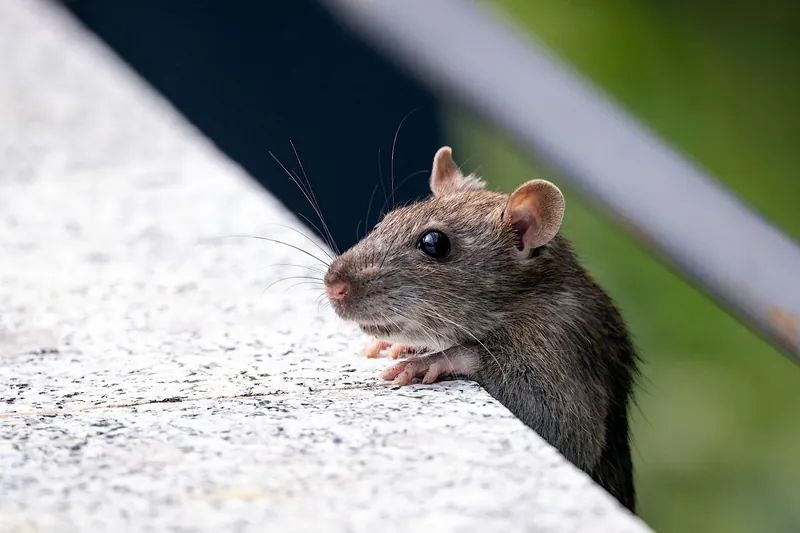
Rodent Droppings and Hantavirus Cleanup
Rodent waste and hantavirus are cleaned from crawl spaces, attic areas and basements.
See rodent droppings and hantavirus cleanupGet bird or bat droppings, soiled insulation, nesting debris and odor removed from an attic, roof space or building in Doral. Cleanup begins after wildlife exclusion is complete.
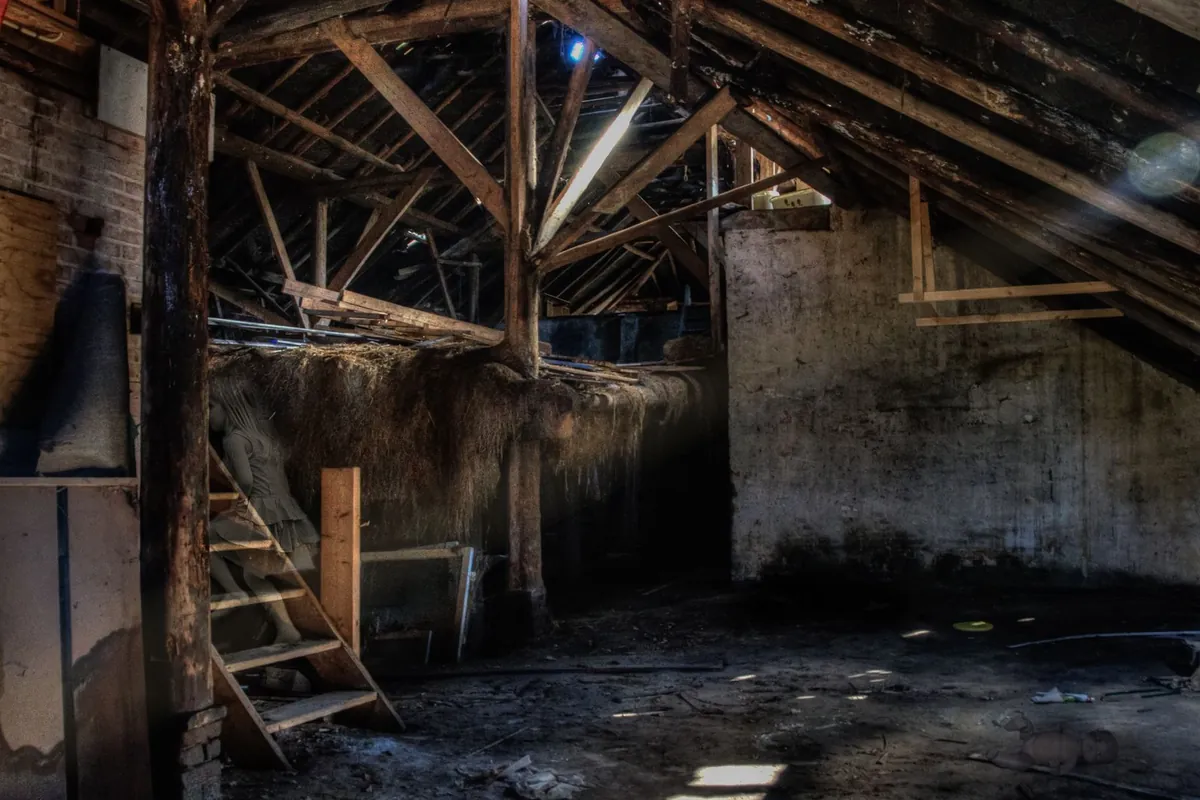
Guano cleanup is a controlled process for taking out bird and bat droppings, nests, urine residue and insulation with contamination. Cleaning comes next, with disinfection where it fits, treatment for odor and waste disposal.
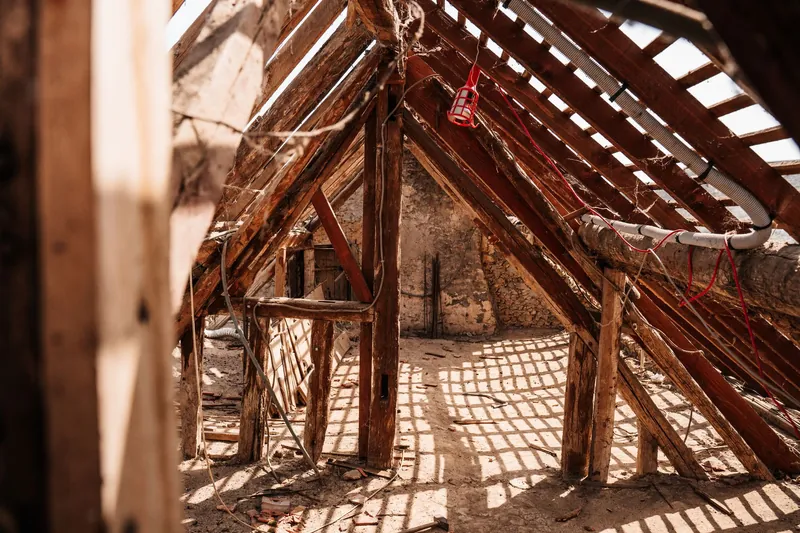
Attics, barns, lofts, wall cavities, roof areas, vents and warehouses are common work locations. Waste may gather below a roost, across stored belongings or throughout insulation. Inspection shows how far the area extends, which air routes are close and whether each material is cleanable or needs removal.
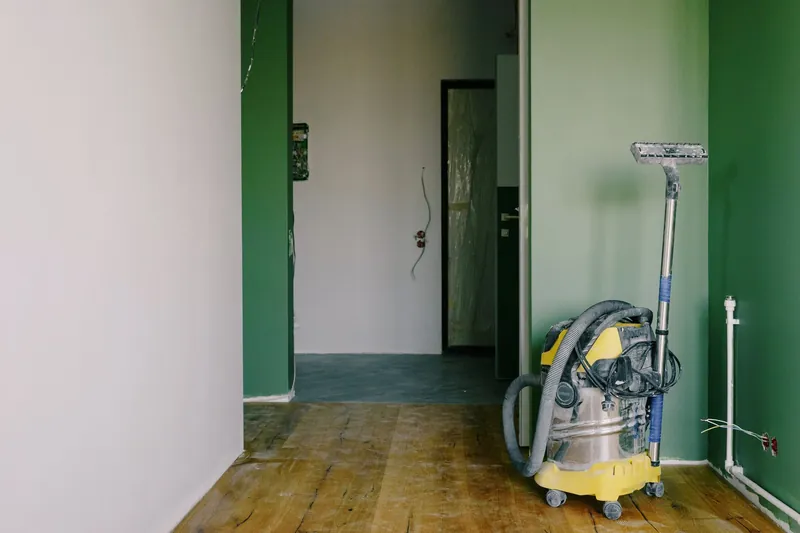
This biohazard requires more control than routine sweeping. Brushing or shoveling dried deposits can create fine particles, as can vacuuming them with household equipment. Cleanup therefore relies on an isolated work area, proper safety gear and collection through HEPA filtration to keep dust from traveling nearby.
Personal property should be separated, photographed and discussed with you before contaminated items are discarded.
Disposal documentation, work details and before-and-after photos can help you move forward with repair planning or an insurance claim. You may request unmarked vehicles to protect privacy.
The right team explains the entire process, what will be cleaned, what may be removed and how exclusion fits into the work.
Ask how the team will isolate the work zone, protect the access route and keep dry residue from spreading into clean rooms.
Professional cleaning services are worth considering when droppings cover more than a small hard surface, sit in insulation or could become airborne. Common situations include:
Affected insulation may require removal when broad or deep contamination cannot be reliably isolated from absorbent or loose material.
Controlled removal around fans, intakes or open ducts helps prevent loose dust from reaching rooms people use.
Nests and bird waste can gather on roof decking, rafters, nearby equipment or ledges.
To prevent access to the work area, cleaning may occur in stages around warehouses, loading zones, signs and mechanical rooms.
Do not disturb the deposits, and keep the area protected. The following early actions help make an assessment clear while limiting residue carried into other spaces:
Call (888) 440-9227Published guides place minor guano spot cleaning from $500 to $1,200 and put standard remediation in a range from $1,500 to $4,000. They list full attic restoration at $4,500 to $9,000. A separate published range for larger infestations of bat droppings runs from $600 to $8,500. The final cost varies with waste volume, attic size, access conditions and the need to take out insulation.
These ranges come from published national cost guides, not from a site visit. The price for your property is set after the on-site assessment, and you hear it before work starts.
Ask about cost: (888) 440-9227Insurance cover depends on the cause, the policy and how long the condition developed. Damage treated as infestation, animal activity or routine maintenance may be excluded, so ask your insurer before work begins when conditions allow.
Property owners usually arrange work that affects the building, attic or shared systems. A lease and local rules can affect who pays for cleanup in a rental.
For a leased business space, the building owner and tenant should check the lease for pest control, roof access, maintenance and cleanup duties.
Save the inspection images, work description, bills and records of affected materials. Check with the insurance company about required documents prior to restoration or disposal.
Find out if your insurance applies to cleanup services, animal-caused damage, soiled insulation and necessary restoration. Insurance may treat abrupt damage differently from contamination that accumulated over time.
A set order keeps the remediation work controlled. Before each step, the plan considers access conditions, dust containment, material condition and whether exclusion of the wildlife is complete.
Cleanup technicians examine visible waste, insulation, beams, vents and belongings, then define the affected areas and a safe route inside.
No work starts until active wildlife is gone. To prevent new deposits after cleanup, access gaps and animal exclusion measures are checked.
Occupied spaces are kept apart from the work area. Floor protection, sealed pathways and suitable protective equipment help keep residue in the affected area.
Waste is gathered using techniques that minimize dust. HEPA-filtered machines collect tiny particles instead of releasing them again as a household vacuum may.
When waste reaches far into insulation or another porous item, the material is removed in bags instead of treated on top. Clean materials beyond the affected zone may remain in place.
Cleaning comes first on accessible hard surfaces, followed by an appropriate EPA-registered disinfectant kept wet for the entire labeled contact time.
Remaining residue is checked at beams, joints and cavities. Without masking smells with fragrance, HEPA filtration plus source-focused odor removal may improve air quality.
Cleanup ends with an inspection, photos and an explanation to the property owner of any required insulation or restoration services.
You can call anytime. Your bird and bat guano cleanup specialist answers the phone, describes what happens next and works with you on a start time.
Contamination or inhalation risks can come from accumulations that are large or disturbed, particularly inside spaces with little ventilation or dry, enclosed conditions.
Below its exposed surface, fibrous or loose insulation may contain bird or bat waste, urine and nest material. Cleaning only the top layer can leave contaminated materials and odor behind.
Residue near wall gaps, hatches, vents or fans can spread to surrounding areas as air circulates or people pass.
Sweeping or removing dried waste can break it into airborne dust. Fungi can grow in soil or material enriched by bird or bat droppings, and disturbing that material can release spores into the air.
When a small blood spill is safe to clean yourself. A lone fresh dropping may be removed from an intact hard surface using moist towels and disposable gloves, followed by a suitable cleaner, but never sweep it. Seek professional cleanup for extensive deposits, soiled insulation, powerful smells, difficult entry or contamination beside ventilation systems.
Solid items that can be cleaned often stay in place. When urine or droppings have penetrated porous material, removal is generally needed to avoid leaving contamination or smell within it.
The legal way to exclude active wildlife may vary by species, season and applicable rules. Cleanup should follow confirmation that the animals are out and lawful exclusion steps are complete.
Use an EPA-registered disinfectant made for the affected surface and follow its label for the complete wet contact time.
Florida calls it biomedical waste, and the term covers absorbent materials saturated with blood or body fluids. The Florida Department of Health's rules control packing, transport and treatment, so it cannot go in household trash. Local rules for bagged waste, affected insulation and nesting material also need confirmation during cleanup planning.
Florida uses district medical examiners, with the Medical Examiners Commission under the Florida Department of Law Enforcement overseeing them. Cleanup starts after police or the medical examiner release the scene. Ask area public health, wildlife and building authorities whether additional requirements govern animals, entry or waste from guano work.
An inspection must come before setting the schedule, since a spot on a surface, attic contamination and unfinished wildlife exclusion each require a different scope. Access limitations, dust measures, insulation removal, odors and restoration needs also change the timing.
The full bird and bat guano cleanup guide covers what is cleaned or removed, odor and air quality work, and the rules that apply in your state.
Read the full bird and bat guano cleanup guideLocal housing, population and access details can shape containment, access and cleanup planning.
A renter share of 53.5% makes privacy important during cleanup, especially where neighbors or building staff share entrances and hallways.
The 2006 median year does not prevent contamination from reaching subfloors through joints, edges, and utility openings.
There are 861 seniors living alone locally, making simple welfare check plans useful even when the overall share is lower.
In this housing mix, fluids may affect a private subfloor or cross into a shared wall cavity, depending on the building.
Ask on the call about cleanup options for neighboring communities and ZIP codes.
Rodent waste and hantavirus are cleaned from crawl spaces, attic areas and basements.
See rodent droppings and hantavirus cleanup
Dead animals are removed from vents, walls and crawl spaces, followed by odor cleanup.
See dead animal removal and cleanup
Waste and urine-soaked items are removed and ammonia odor is treated during animal hoarding cleanup.
See animal hoarding cleanup
Any property can be cleared of blood, bodily fluids and other infectious material, then disinfected.
See biohazard cleanup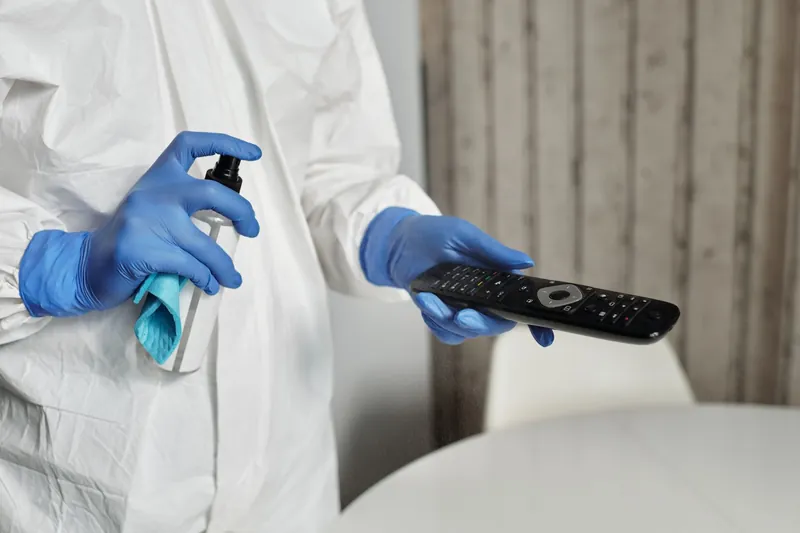
Biological remediation removes contamination so the space can be safely used again.
See biohazard remediation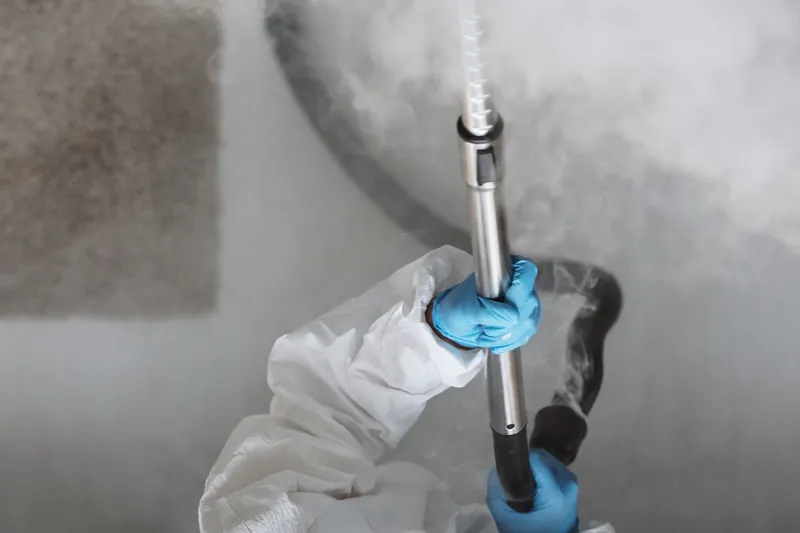
Disinfection for infectious disease uses EPA-registered products with complete coverage of surfaces.
See infectious disease disinfection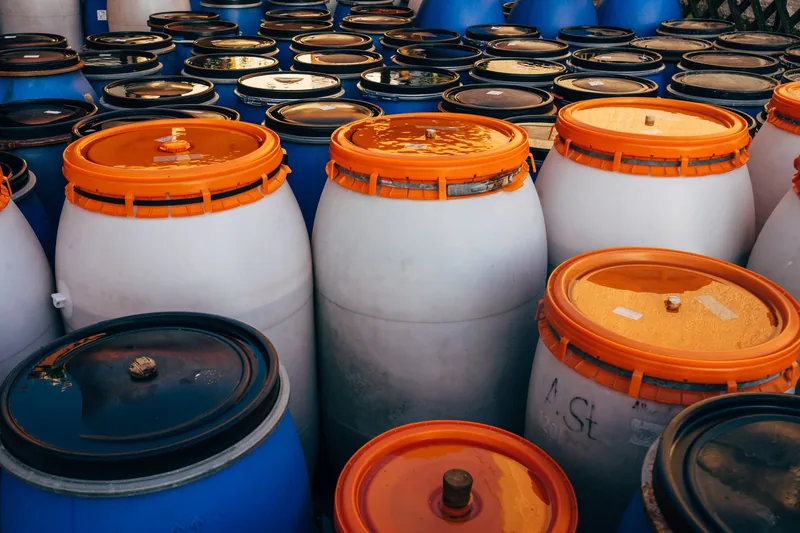
Protective equipment suited to hazardous materials is used during hazmat cleanup.
See hazmat cleanup
Commercial and industrial biohazard cleanup with minimal downtime.
See commercial and industrial biohazard cleanupThere is a major difference between one new dropping on a solid surface and broad contamination of rafters or insulation. Use professional cleanup when deposits are extensive, airborne, close to ventilation, embedded in insulation or in a hard-to-access location. Keep people and pets out, and do not dry sweep the area while deciding what to do.
Controlled cleanup takes out animal waste, nesting material, urine residue and porous items that are affected. The cleaning process may include isolation, HEPA-filtered collection, surface treatment, disinfection, odor removal and disposal. Before cleaning contamination, verify that the separate wildlife exclusion work has been finished.
Insurance treatment differs according to the policy and reason. Insurance may not cover infestations, wildlife-related contamination or gradual damage. Find out whether cleanup, insulation removal and repairs are covered, and ask the insurance company what documentation to submit. Wait for the insurance company to verify your terms before treating cleanup as covered.
Dust and spores from fungi may become airborne if someone disrupts extensive dried guano. The amount of waste and site conditions shape the hazard, while some deposits do not result in illness. Skip broom cleaning and household vacuuming. People with health concerns should seek advice from a medical professional about possible exposure.
Cleanup and wildlife exclusion are separate kinds of work, although they may be coordinated. You should confirm who checks the openings and makes sure every animal has left. Once lawful exclusion is complete, cleanup can proceed and openings can be repaired without enclosing any birds or bats.
The affected space is contained away from occupied rooms and the route into it is covered. With suitable protective gear, cleanup technicians carefully collect waste and use HEPA-filtered equipment where appropriate. Technicians remove affected porous materials without dry sweeping or ordinary vacuuming, clean solid surfaces, and apply a suitable disinfectant afterward.
Respectful, discreet bird and bat guano cleanup is available 24 hours a day, and crews arrive in unmarked vehicles.